
DRC 3T Mineral Exports Approach $676 Million in 2025 Despite Security Challenges in Eastern Regions
DRC Exports Cassiterite, Coltan, and Wolframite Worth $676 Million in 2025 as Kivu Remains Key Production Hub
In the Democratic Republic of Congo (DRC), exports of tin-bearing minerals cassiterite, coltan, and wolframite collectively known as 3T minerals (Tin, Tantalum, and Tungsten), generated an estimated $676.37 million in revenue in 2025.
The figures were released by the Technical Unit for Mining Coordination and Planning, a specialized body under the Ministry of Mines responsible for monitoring mineral production and exports.
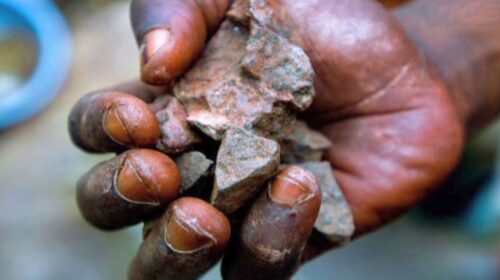
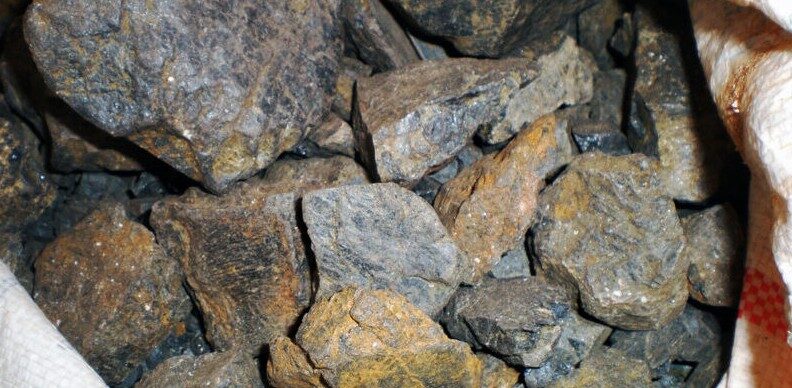
According to the data, cassiterite accounted for the overwhelming majority of export earnings, while coltan and wolframite contributed smaller but strategically significant volumes.
- Cassiterite exports: more than 46,000 tons, valued at approximately $652.6 million
- Coltan exports: over 1,000 tons, valued at more than $23.6 million
- Wolframite exports: 94.51 tons, valued at about $1.3 million
Authorities note that the wolframite figures remain provisional and subject to revision.
Production Concentrated in Eastern Provinces
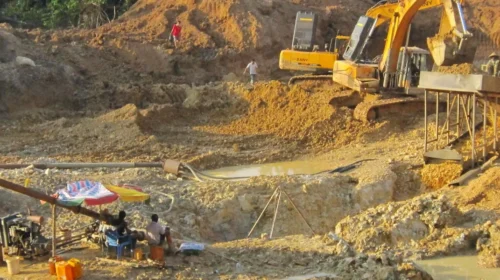
Most of the Democratic Republic of Congo’s 3T mineral production originates from the eastern region, particularly the provinces of North Kivu and South Kivu.
Key commercial and logistical centers such as Bukavu and Goma play a central role in the mineral trade.
However, parts of these regions have been affected by ongoing insecurity, including the presence of armed groups such as the March 23 Movement, which has complicated supply chains and governance in mining areas.
Despite these security challenges, mineral extraction and exports have continued, underscoring the economic importance of the 3T sector to the national economy.
Industrial Mining Leads Cassiterite Production
Total cassiterite production in the DRC reached 47,787.58 tonnes in 2025.
Industrial mining operations accounted for the majority of output, producing 33,044.27 tonnes, while artisanal miners contributed 14,743.31 tonnes.
Major industrial producers included:
- Alphamin Bisie Mining
- Mineral Resources Mining Company
- Kivu Mineral Company
- Crown Mining
- United Company
These companies operate primarily in North Kivu and surrounding mining zones, contributing significantly to export revenues and employment.
Strategic Importance of 3T Minerals
The global demand for 3T minerals continues to rise due to their critical role in modern technology and energy systems.
- Tin (cassiterite) is essential for soldering and manufacturing printed circuit boards used in solar panels, wind turbines, and electric vehicle charging infrastructure.
- Tantalum (from coltan) is widely used in high-performance capacitors found in smartphones, laptops, and other electronic devices due to its ability to store electrical energy in a compact form.
- Tungsten (from wolframite) is valued for its hardness and heat resistance, making it indispensable in the production of industrial cutting tools and specialized manufacturing equipment.
The 2025 export figures confirm the continued strategic importance of the 3T mineral sector to the Democratic Republic of Congo’s economy, particularly as global demand for critical minerals accelerates alongside the expansion of renewable energy and digital technologies.
However, industry analysts emphasize that improving security, strengthening regulatory oversight, and investing in infrastructure will be essential to sustain production growth and maximize the economic benefits of these resources in the years ahead.